Most buyers don’t lose money because China is risky.
They lose money because they trust too early.
Fake factories, trading companies pretending to manufacture, and quality bait-and-switch are common. If you don’t verify suppliers properly, you’re gambling with your deposit.
If you’re already exploring product sourcing services, this step is non-negotiable.
The 5 Biggest Supplier Verification Mistakes Buyers Make
Most failures come from predictable mistakes:
Trusting Alibaba “Verified” badges blindly
“Verified” does not mean vetted for your specific product or standards. It usually confirms basic business registration, not manufacturing capability or quality consistency. Many bad suppliers hide behind these badges because buyers overtrust them.
Skipping audits to save a few hundred dollars
A factory audit might cost $300–$800. That feels expensive until you wire a $20,000 deposit to the wrong supplier. Skipping this step is a classic false economy, you’re trading a small upfront cost for a large, uncontrolled risk.
Not checking business licenses
If you don’t verify the legal entity, you don’t know who you’re actually paying. Scammers often use similar company names or outdated registrations. One mismatch in legal details can mean you have zero recourse if something goes wrong.
Assuming samples reflect mass production
Samples are often made under ideal conditions, sometimes even outsourced or hand-finished. What you receive in bulk production can be very different. Without process validation, samples create a false sense of security.
Ignoring whether the supplier is a factory or trader
Trading companies add margin, reduce transparency, and limit your control over production. That’s not always bad, but if you think you’re working with a factory when you’re not, your pricing, timelines, and quality expectations will all be wrong.
If you’ve read about quality fade, you already know how small issues turn into major losses.
Step-by-Step Framework to Verify Chinese Suppliers
Step 1 – Validate Company Legitimacy
You need to confirm the company legally exists.
Check:
- Chinese business license
- Registered capital
- Legal representative
- Official company name in Chinese
Most scams fall apart at this stage.
Step 2 – Confirm They Are a Real Manufacturer
Not all suppliers are factories.
Red flags:
- Extremely broad product catalogs
- Inconsistent technical answers
- Reluctance to show production lines
If you don’t understand sourcing structures, review OEM vs ODM vs OBM before proceeding.

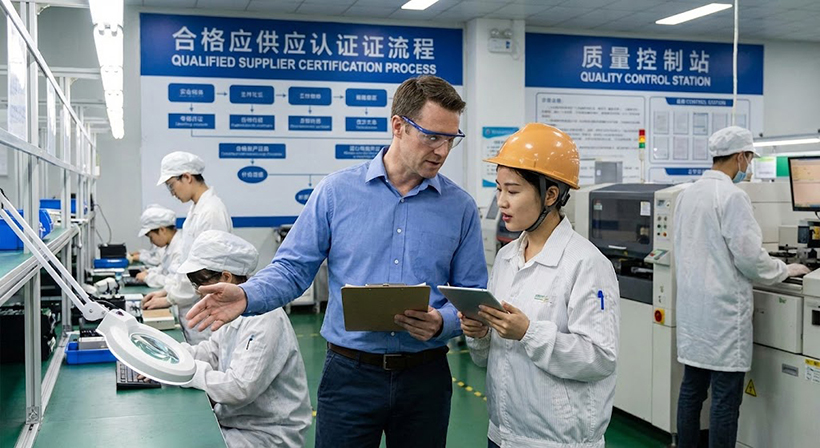
Step 3 – Conduct a Factory Audit (Even Remotely)
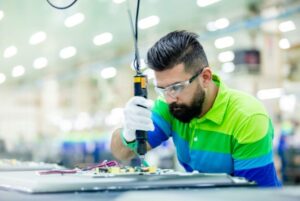
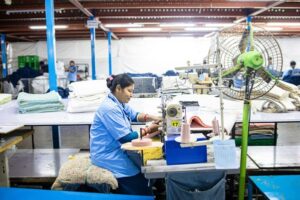
A real factory audit checks:
- Workforce size
- Machinery
- Production capacity
- Quality systems
Skipping this step to save money is one of the most expensive mistakes buyers make.
For a broader understanding of sourcing risks, see risks of sourcing from Asia.
Step 4 – Verify Certifications and Compliance
Common certifications:
- ISO (quality systems)
- CE (EU compliance)
- FDA (for regulated products)
Red flags:
- Expired certificates
- Mismatched company names
- Fake logos
Skipping this step to save money is one of the most expensive mistakes buyers make.
For a broader understanding of sourcing risks, see risks of sourcing from Asia.
Step 5 – Test with a Controlled Sample Order
Samples can lie.
To reduce risk:
- Request production-line samples
- Use multiple units
- Avoid pre-production “perfect samples”
If you’re new, start with a structured approach like this step-by-step sourcing guide.
How Buyers Get Scammed (And How to Avoid It)
Common scam patterns:
- Supplier disappears after deposit
- Quality drops after first order
- Materials get substituted quietly
Psychological traps:
- Prices that are too low
- Urgency pressure
- Overpromising capabilities
If you’re relying heavily on platforms, read how Alibaba works to understand platform limitations.

When You Should Use a Supplier Verification Service
You don’t always need external help. But you probably do if:
- Orders exceed $5,000–$10,000
- You’re working with a new supplier
- Product quality is critical
Working with a sourcing agency reduces risk significantly, especially if you lack local presence.
| Option | Cost | Risk | Reliability |
|---|---|---|---|
| DIY | Low | High | Variable |
| Third-party | Medium | Low | High |
| Saving $500 upfront can cost you $50,000 later. | |||
Final Supplier Verification Checklist
Before placing an order:
- Business license verified
- Manufacturer confirmed
- Factory audit completed
- Certifications validated
- Samples tested properly
If you skip even one of these, you’re increasing your risk profile.
Get Your Supplier Verified Before You Pay a Deposit
If you’re already sourcing and unsure about a supplier, don’t guess.
Work with experts who handle end-to-end product sourcing and supplier verification before you commit capital.
Frequently Asked Questions
1. How do you check if a supplier is legitimate?
Verify their business license, confirm registration details, and cross-check ownership using Chinese databases.
2. What is a factory audit?
A factory audit is an on-site or remote inspection that evaluates a supplier’s production capacity, quality systems, and operational reliability.
3. How do buyers avoid supplier scams?
By verifying legal status, conducting audits, validating certifications, and avoiding large upfront payments without checks.
4. What certifications should factories have?
Common certifications include ISO, CE, and FDA, depending on product category and target market.