
Safeguarding supply chains is paramount for UK businesses. A study indicates that the UK faces mounting pressures like extreme weather, trade tariffs, and global instability, demanding swift action to secure their operations.
According to Ivalua (a leading cloud-based, AI-powered Spend Management software provider), nearly half (47%) of UK businesses have faced more supply chain disruptions over the past year.
Their research among 300 UK supply chain and procurement decision-makers revealed that 45% are bracing for increased disruption in the coming years. Furthermore, 60% revealed that their supply chains are more vulnerable than ever after years of operational challenges.

The rapid ripple effect of global conflict serves as a stark reminder of how interconnected our world is, and how quickly it can disrupt our daily lives. The supply chain is no exception. With the unprecedented challenges the UK supply chains are facing, building resilience is critical to navigate these complex times.
How do UK supply chains cope with the current global disruptions, and be robust enough to withstand shocks?
Proactive measures are vital to miminise the impact of disruptions. Building resilient and adaptable supply chains has never been more critical.
- Expanding the geographical diversity of their supplier base for critical goods and services
A supply chain that relies too heavily on a single or a limited geographical area leaves a business more susceptible to risks. UK businesses have strategically come up with a smart move to diversify their supplier base. This means intentionally sourcing from multiple vendors and varied geographical locations.
By establishing alternative suppliers globally, businesses create inherent redundancy, guaranteeing that if one source is compromised, others are ready to maintain the flow of critical goods and services. Ultimately, it is all about building a robust, resilient network, not a vulnerable, linear chain.
- Exploring nearshoring/reshoring/onshoring
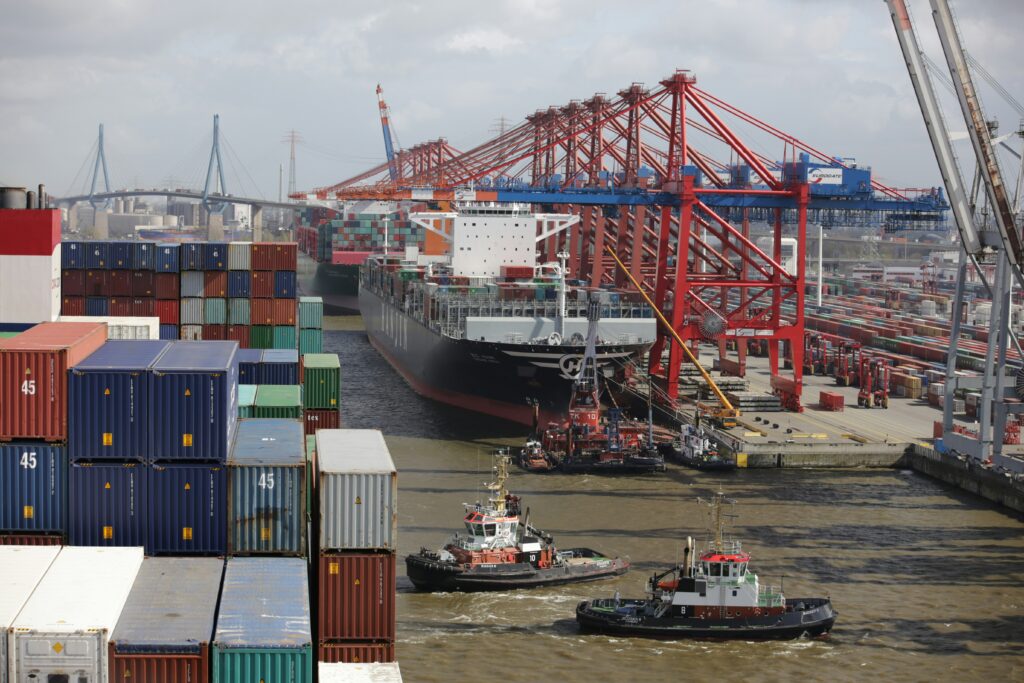
For years, many companies have opted for offshoring or offshore production to distant countries for lower costs. However, recent global events have starkly revealed the risks associated with long-distance supply chains, which include longer lead times, rising shipping costs, increased carbon footprint, and geopolitical exposure.
Consequently, UK businesses are now exploring nearshoring (moving production to nearby countries) or reshoring (returning production domestically). Both approaches aim to cut transit times, simplify logistics, lower freight expenses, and boost control over manufacturing, making supply chains more agile and less prone to global disruptions.

A recent Software Advice U.K. survey of 200 supply chains and logistic professionals points a notable reshoring trend. The research reveals that 57% already use suppliers within or near the UK. This shift is visible in national import data, showing a 3.6% drop between March 2023 and 2024.
- Leveraging technology
In the complex world of supply chains, operating without advanced technology is a recipe for disaster. The UK is not letting itself fall behind in leveraging technology—including adopting tools like AI analytics, machine learning, IoT sensors, and blockchain to achieve unparalleled insight into their supply network. This provides end-to-end visibility, letting businesses track goods in real-time, monitor supplier performance, and spot potential issues.
Using these advanced tools offers predictive capabilities, using data to forecast demand, anticipate disruptions (from weather to port congestion), and simulate the impact of various scenarios. This proactive understanding allows businesses to make strategic, data-backed decisions, and respond accordingly when issues arise, turning potential setbacks into manageable outcomes.
- Prioritising risk management
True supply chain resilience goes beyond merely reacting to issues; it’s about foresight and preparation before problems strike. It demands prioritising risk management, which involves systematically identifying, evaluating, and reducing potential weaknesses across their entire supply chain.
This comprehensive view extends to complex factors like geopolitical shifts, climate change impacts, cyberattacks, and economic fluctuations. Once these vulnerabilities are identified, the critical next step is to develop robust contingency plans. Having these strategies ready before a crisis hits allows businesses to reduce downtime, maintain operational flow, and protect their reputation.
Proactive action is key
Building resilience today is crucial for navigating complexities our world is facing, and securing a more stable future for both businesses and consumers. UK supply chains are actively improving procurement teams—arming them with the right tools to enhance transparency and collaboration—and be more agile in their response.
Connected Sourcing developed a strategic sourcing process designed to fit your specific requirements. This includes identifying, evaluating, and selecting suppliers that will deliver the best value for your business.
These are all crucial parts of any business and with the help of our procurement specialist, we can help you save money, improve quality, and increase efficiency. Talk to us.
Frequently Asked Questions
1. Is China the largest country supplier to the UK manufacturing sectors?
China is a major source for many UK manufacturing sectors, especially for imports. However, the UK also sources from other countries, including the US, Germany, France, and those in the Asia-Pacific region like Vietnam, Thailand, and India, as well as other locations depending on the specific product or industry.
2. What proactive measures are UK businesses taking to strengthen their supply chains?
3. Can sourcing services help find suppliers in the UK?
Businesses venturing into the European market offers great advantages to many businesses, with the UK ranking as the world's fourth-largest exporter of goods. Connected Sourcing, particularly, is connected with diverse European suppliers and manufacturers and can help you find the best one that meets your business' needs.